Back to home | bookmark our website |
Hello, welcome to Wuxi Bonrxin Environmental Technology Co., Ltd.!



In recent years, with increased attention to environmental protection and growing expertise in VOC waste gas treatment, China has made notable breakthroughs—particularly in the application of biomolecular conversion technologies.
This method uses biological molecules to directly transform hazardous substances in exhaust gases into harmless or even reusable compounds. The process is cost-effective, easy to implement, and simple to operate, and it can be applied across a wide range of industries and physical spaces. Due to these advantages, it is seen as a promising and scalable solution that should be further promoted in the future.
This method focuses on extracting and isolating toxic components in VOCs, while allowing for the recovery and reuse of other organic compounds within the remaining gas. It serves the dual purpose of pollutant control and resource recycling, reducing both direct emissions and secondary environmental damage.
Although this technology requires higher investment, it is particularly well-suited to large-scale industrial settings with high VOC concentrations, where the extraction value is greater. As China’s economy continues to develop and technical capabilities improve, this method is expected to gain wider adoption.
This is one of the most advanced technologies in VOC treatment. It utilizes photocatalysts that are activated by light to decompose toxic gases at the molecular level. Commonly used catalysts in this approach are semiconductor materials, which are known for their strong catalytic performance and non-toxic characteristics.
These materials are affordable, efficient, and safe, making them more practical than many alternatives. With ongoing advancements in materials science, a new class of nano-scale photocatalysts is emerging. These eco-friendly, energy-efficient materials represent a major breakthrough in chemical engineering and are gaining increasing attention in the field of VOC control.
(1) Biomolecular Conversion: Turning Waste into Value
(2) Extraction and Isolation of Harmful Substances
(3) Photocatalytic Decomposition Using Light
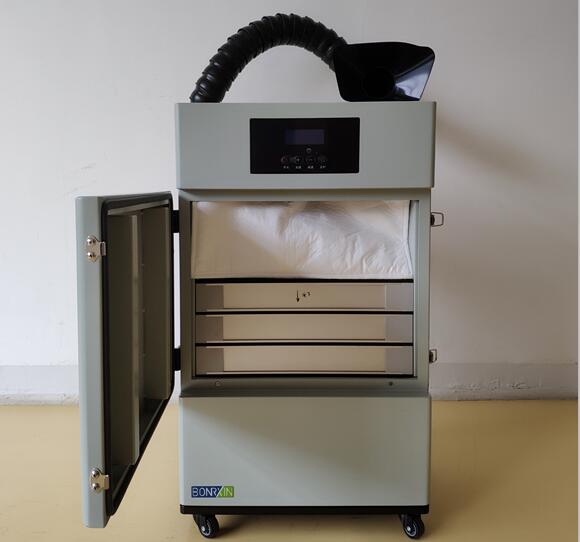 BCB-M600 Fume Purifier
 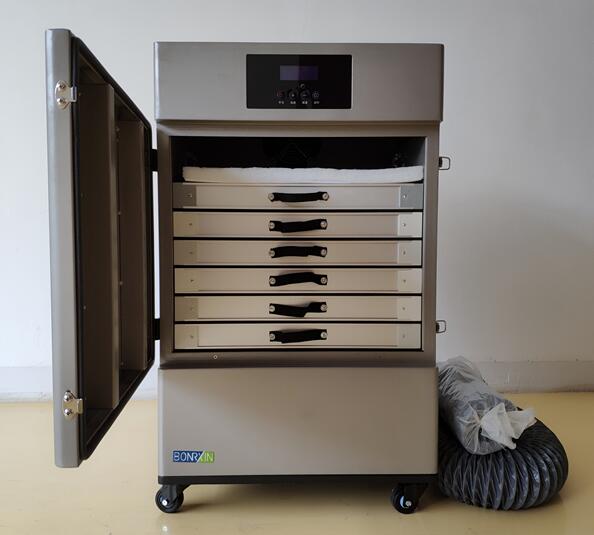 BCB-M1000 Fume Purifier
 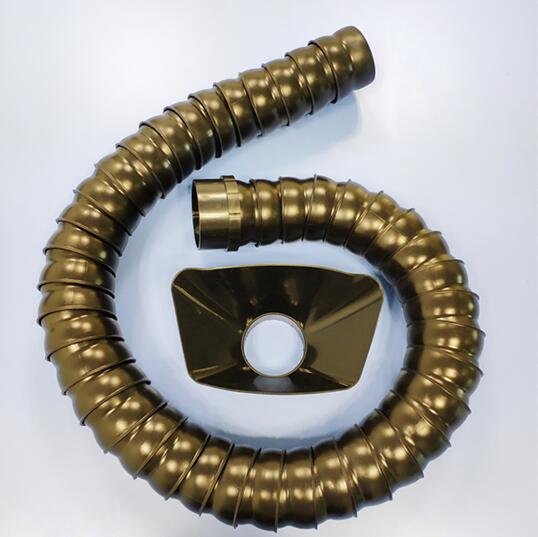 Flexible Bellows Pipe
 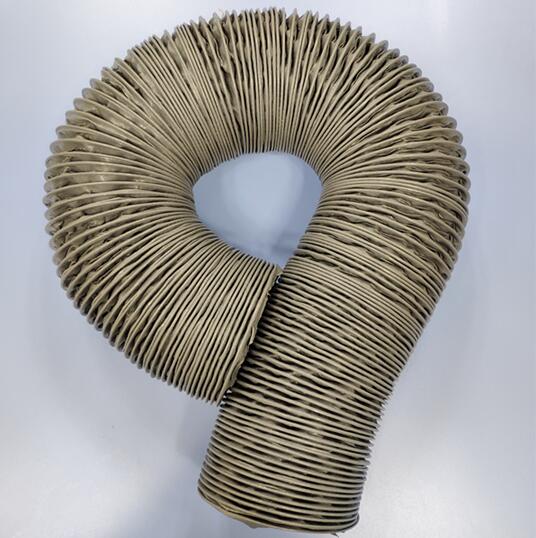 Soft Hose
 Enterprise substation: Guangdong | Shanghai | Beijing | Jiangsu | Hubei |
Disclaimer: Some content on this website is sourced from the internet. If any material inadvertently infringes on third-party intellectual property rights, please contact us by phone or in writing. We will respond promptly and take appropriate action.