Back to home | bookmark our website |
Hello, welcome to Wuxi Bonrxin Environmental Technology Co., Ltd.!



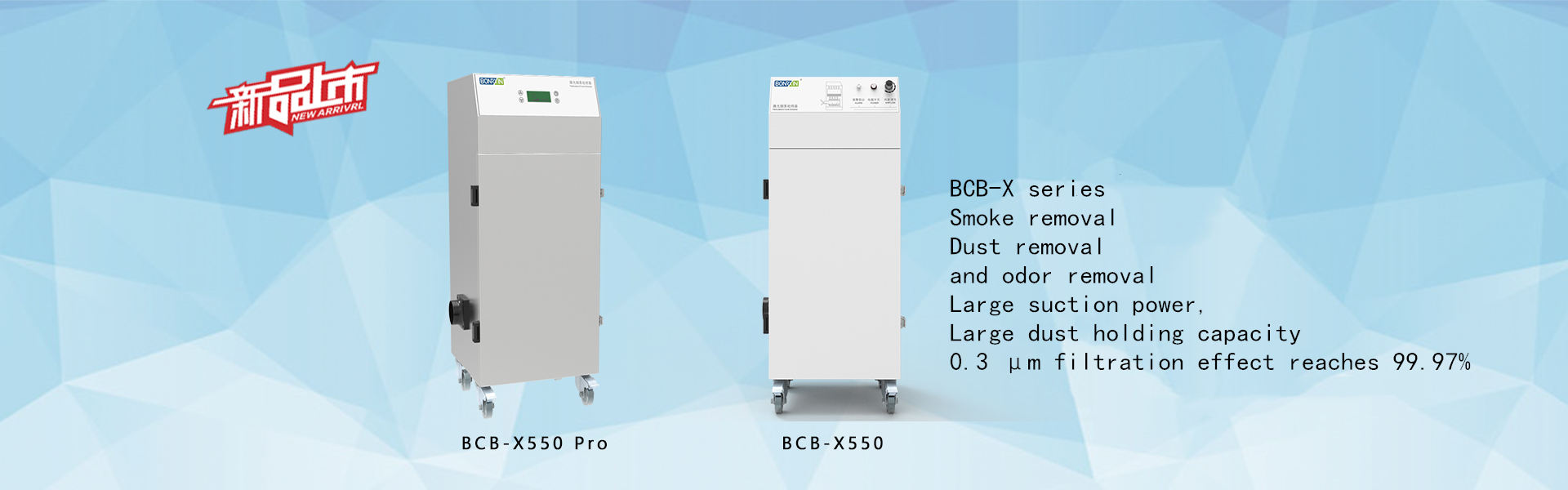
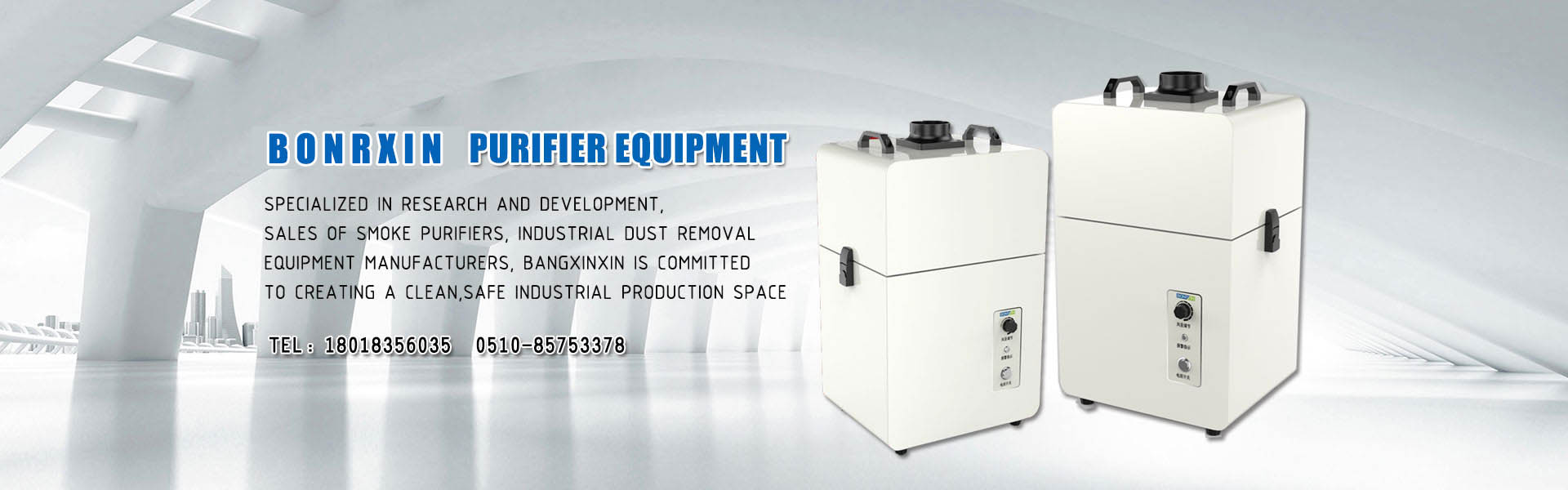
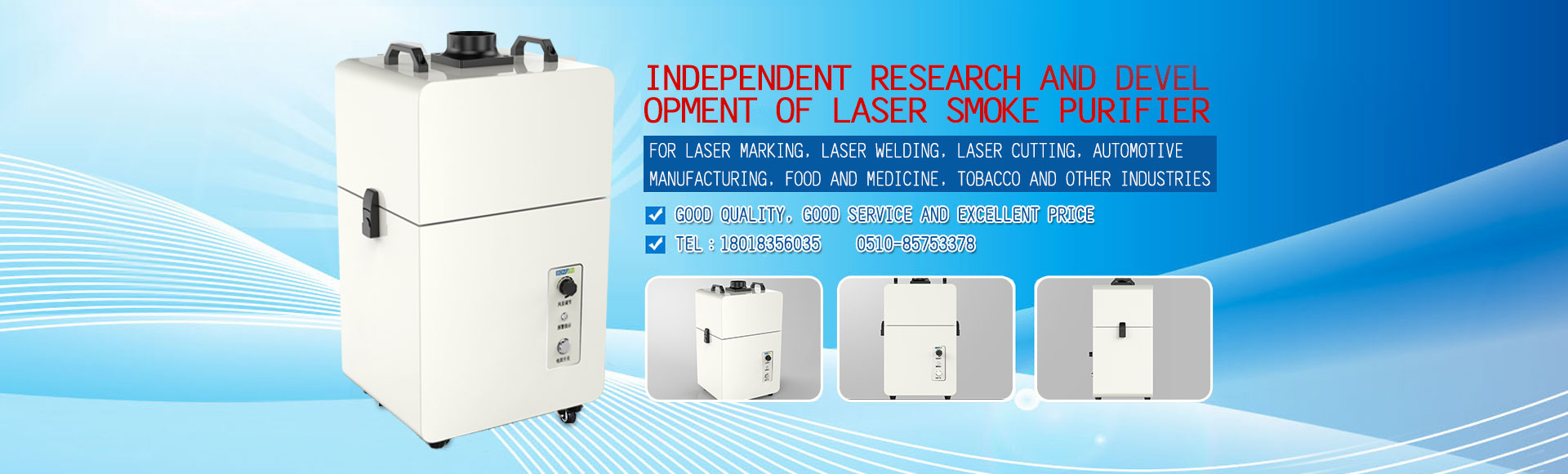
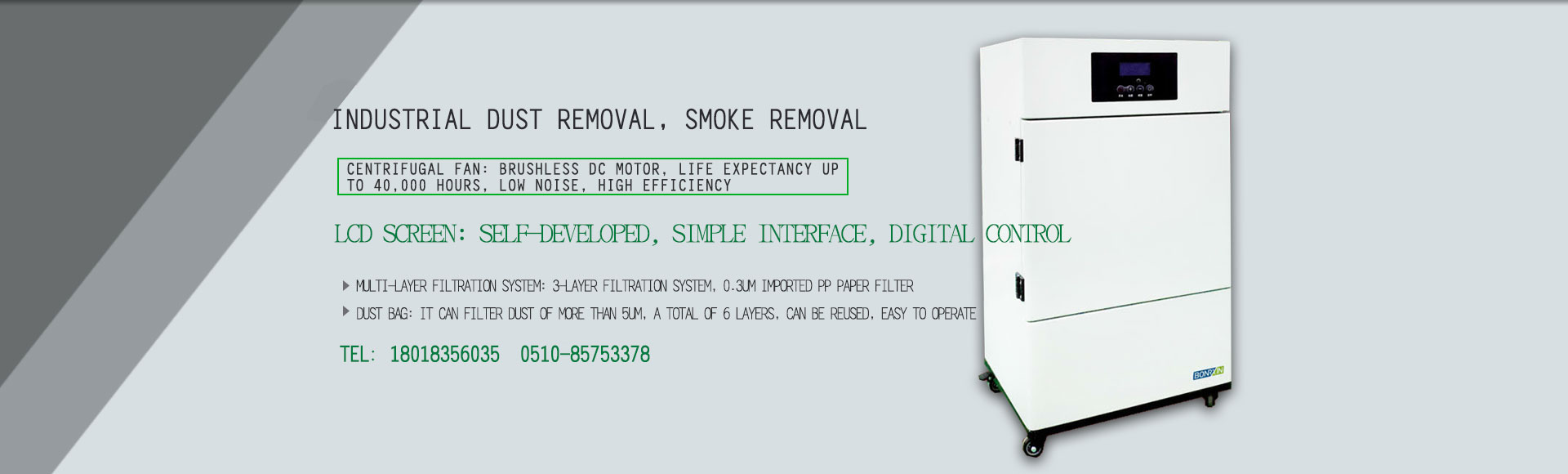
During soldering operations, a significant amount of smoke is generated. Approximately 95% of the visible smoke consists of microscopic particles volatilized from solder and flux under high temperatures. These particles become suspended in the air and are visible to the naked eye when illuminated under certain lighting conditions.
The remaining 5% comprises gaseous emissions that are invisible but equally hazardous. These gases often include carbon monoxide, methanol, ethanol, methane, and formaldehyde, all of which can pose serious health risks. Similarly, harmful fumes are also released during cleaning, coating, and other industrial processes. Without effective filtration, these pollutants may cause harm to both operators and the surrounding environment.
Fume extractors utilize a negative pressure system generated by a fan unit to draw contaminated air through a suitable capture system—such as suction hoods or flexible ducts—into a multi-stage internal filtration system, where harmful particles and gases are removed before clean air is discharged back into the workspace.
The purification process varies by application type:
a. Soldering Fume Filtration:
Effective for smoke and odor produced during hand soldering, automatic soldering machines, dip soldering, solder pots, rework, adhesive curing, wave and reflow soldering, etc.
b. Laser Processing Fume Filtration:
Captures fumes and odors generated during laser marking, coding, engraving, cutting, welding, and similar operations on both metal and non-metal materials.
c. Industrial Welding and Grinding Dust Collection:
Handles fume and dust from electric welding, TIG/MIG welding, CO₂ shielded welding, grinding, and cutting processes.
d. Laboratory and Medical Fume Extraction:
Purifies air in chemical laboratories, medical environments (such as laser surgery, cosmetic procedures), and during the burning of moxa sticks or other therapeutic materials.
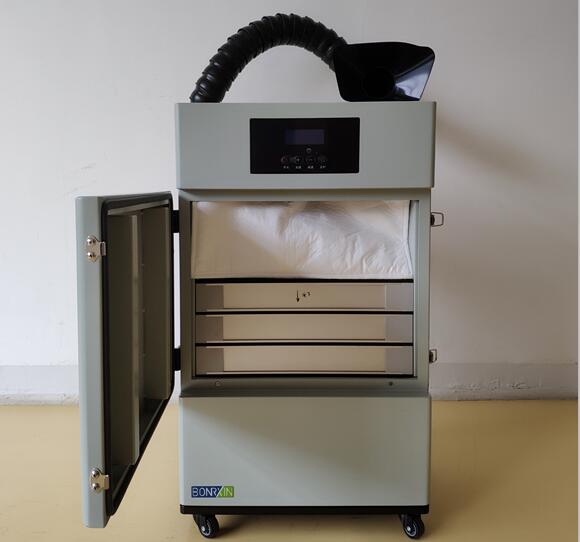 BCB-M600 Fume Purifier
 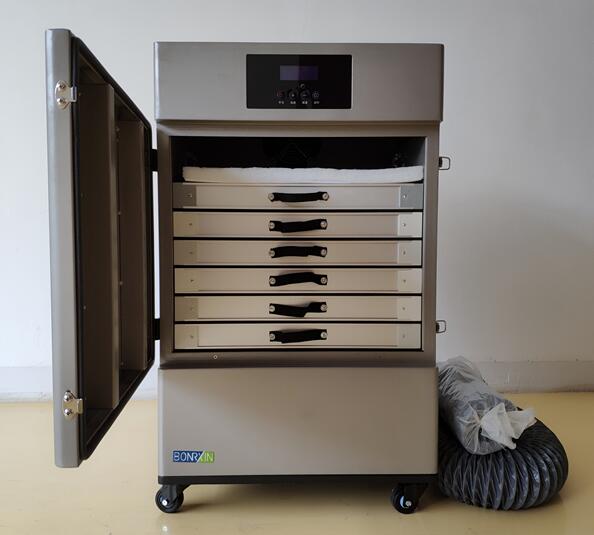 BCB-M1000 Fume Purifier
 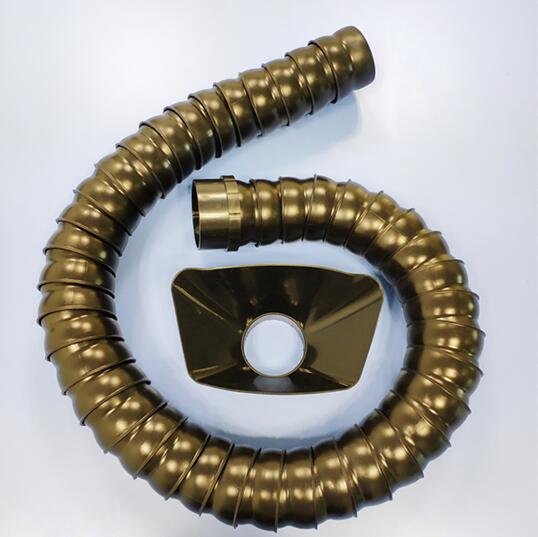 Flexible Bellows Pipe
 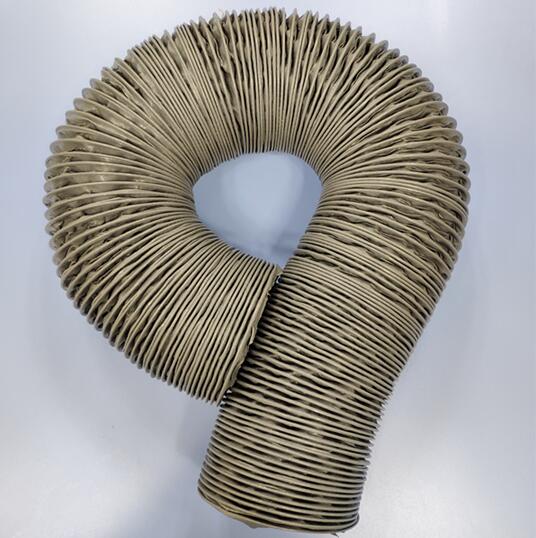 Soft Hose
 Enterprise substation: Guangdong | Shanghai | Beijing | Jiangsu | Hubei |
Disclaimer: Some content on this website is sourced from the internet. If any material inadvertently infringes on third-party intellectual property rights, please contact us by phone or in writing. We will respond promptly and take appropriate action.